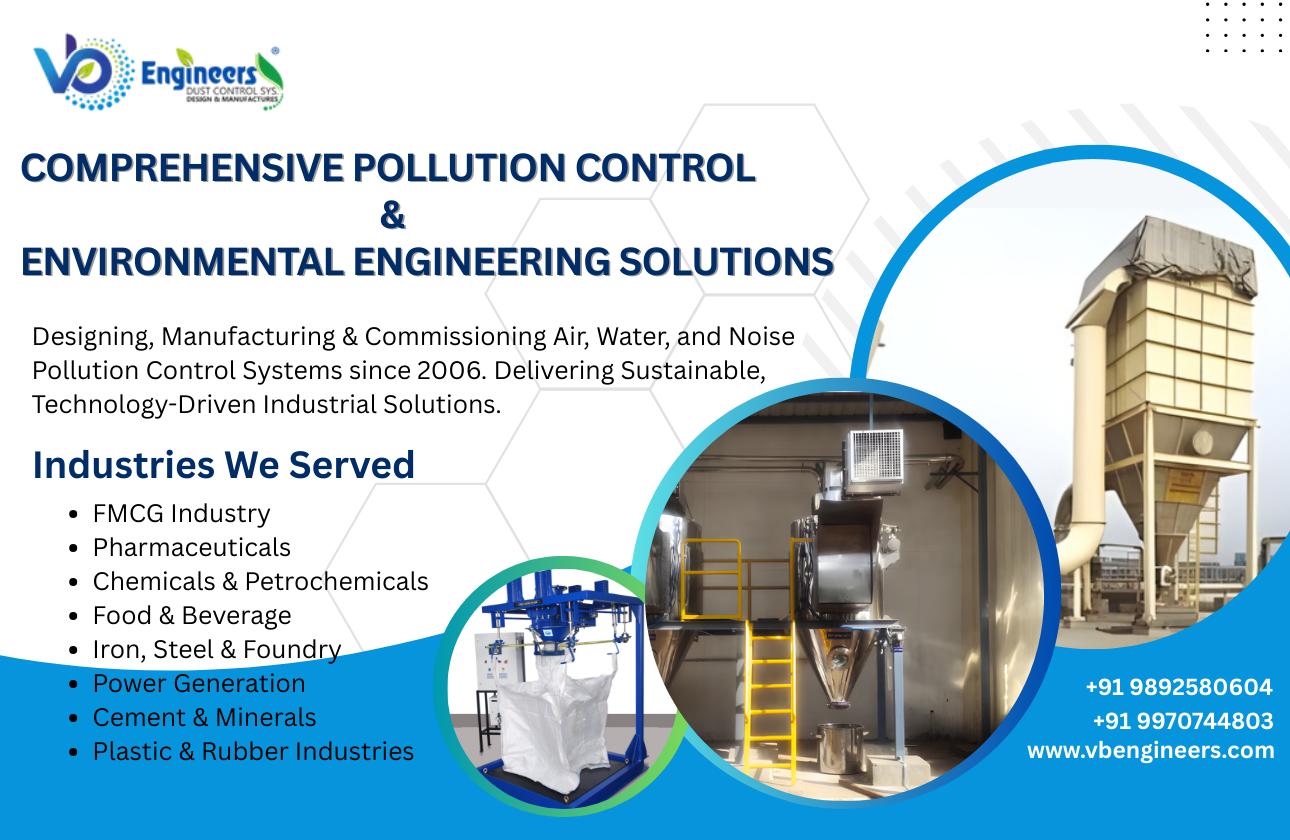
Understanding Industrial Dust Collector Filter Bags
Industrial dust collector filter bags play a significant role in maintaining clean air within industrial environments. These bags are specifically designed to capture dust particles from the air, enhancing air quality and ensuring a safe workspace for employees. Industrial environments, like those involved in manufacturing, often produce a significant amount of dust, making high-quality dust collectors indispensable for operating efficiently and safely.
Importance of Dust Collectors in Industry
The presence of dust collectors in industrial settings cannot be overlooked. They are engineered to manage, control, and reduce airborne dust particles that might otherwise cause harm to both employees and machinery. The dust collected is not only a potential health risk if inhaled but also a possible threat to the machinery if it accumulates. For further insight, please visit Dust Collectors to understand their role and importance in the industry.
How Industrial Dust Collector Filter Bags Work
Industrial dust collector filter bags work by trapping dust and particles that flow through them, using the fabric's weave to catch particles while allowing air to pass through. The effectiveness of these filter bags depends on both the material used and their design. Different industries might require specific types of filter materials to address their unique dust issues. Over time, these bags accumulate dust, impacting their efficiency, so regular maintenance and replacement are necessary to keep the filtration system running smoothly.
Various Types of Filter Bag Materials
When selecting filter bags, it is essential to consider the material they are made of. Filter bags can be crafted from polyester, polypropylene, or even acrylic, to accommodate different operational conditions. Each material has unique properties, such as resistance to certain chemicals or heat, which allow them to be used across various applications. For more details on the different types of materials used, explore Bag Filters Manufacturers to discover their selections.
Industries That Benefit From Filter Bags
Many industries rely heavily on dust collector filter bags, including cement plants, power generation, pharmaceuticals, food processing, and chemical manufacturing. These industries produce lots of airborne dust that could pose health and environmental risks. Thus, having effective dust collection systems is a regulatory requirement and a smart move to optimize both safety and productivity. Understanding the extent of dust collection needs for various industries can be explored further with Industrial Dust Collector Manufacturers.
Factors to Consider When Choosing Filter Bags
Several factors must be considered when choosing the right industrial dust collector filter bags. These include the size of the dust particles, the temperature of the operational environment, and the chemical characteristics of the dust being collected. Additionally, the cost of maintenance and the ease of installation and replacement should also guide decision-making. It's vital to ensure the chosen filter bags are compatible with your existing dust collection system for maximum efficiency and minimal downtime.
Installation and Maintenance of Filter Bags
Proper installation and periodic maintenance of filter bags are crucial to ensure their longevity and performance. It involves understanding the right fitting, avoiding air bypass, and replacing bags when necessary. Regular inspections can prevent blockages, which can reduce the entire system's efficiency, leading to increased operational costs. To further delve into maintenance practices, check out insights on Boiler Filter Bag Maintenance.
Frequently Asked Questions
1. What are industrial dust collector filter bags?
Answer: These filter bags are components of industrial dust collection systems designed to capture dust and particulates from the air, maintaining cleaner air and a safer working environment.
2. Why are dust collector filter bags necessary in industries?
Answer: They help reduce airborne particles, contributing to healthier workplaces, protecting machinery from dust damage, and complying with regulatory standards.
3. What materials are commonly used for these filter bags?
Answer: Common materials include polyester, polypropylene, and acrylic, chosen for their resistance to chemicals, heat, and durability.
4. How often should filter bags be replaced?
Answer: It depends on the operational environment, dust volume, and material. Regular checks and maintenance will help determine the ideal replacement schedule.
5. Can I mix different types of filter bags in one system?
Answer: While possible, it is best to use compatible materials and designs to maintain uniform efficiency and avoid unnecessary complications in system performance.
Published on March 22, 2026 by Admin