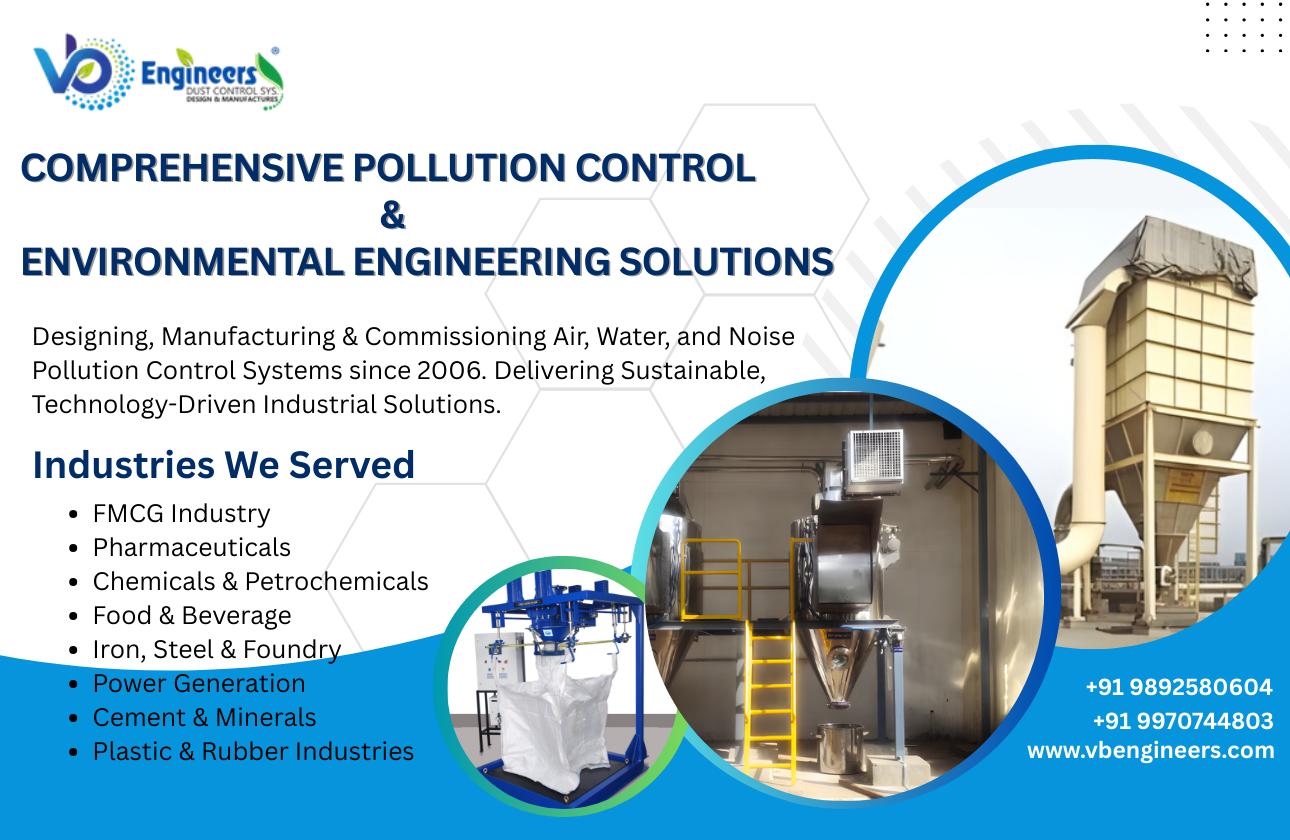
Introduction to Industrial Dust Collector Filter Bags
In many industries, maintaining clean air is not just a preference but a necessity. This is where industrial dust collector filter bags come into play. These critical components help capture dust and pollutants, ensuring a safer and more efficient work environment. They are designed to handle high volumes of dust and are widely used in industries like pharmaceuticals, metalworking, and food processing. The purpose of these bags is simple: to trap dust particles, preventing them from escaping into the workspace and the environment.
How Industrial Dust Collector Filter Bags Work
The operation of industrial dust collector filter bags is straightforward yet effective. They are typically made from woven or felted fabric, which acts as a filter to separate dust particles from air streams. Affixed within a dust collection system, these bags allow air to pass through while trapping dust particles on their surface. Over time, a layer of dust builds up on the bag, creating a 'dust cake,' which further enhances the bag's filtration efficiency. However, it is important to clean or replace the bags to maintain optimal performance.
Materials Used in Industrial Dust Collector Filter Bags
Various materials are used in the construction of industrial dust collector filter bags, each suited for different environments and dust types. Common materials include polyester, polypropylene, and fiberglass. Fiberglass is especially favored in high-temperature applications due to its heat resistance. Meanwhile, polyester is known for its versatility and cost-effectiveness. Selecting a material involves considering factors such as temperature tolerance, chemical resistance, and required filtration efficiency.
Importance of Choosing the Right Dust Collector Filter Bag
Choosing the appropriate dust collector filter bag can significantly impact the efficiency and longevity of your dust collection system. Considerations must include the nature of the dust being collected, the operating environment, and the specific requirements of your industry. For example, in industries where emissions must be minimized to comply with regulations, high-performance filter bags are required. Consulting with professionals or manufacturers, like VB Engineers, can provide insights into the best options for your needs.
Applications of Industrial Dust Collector Filter Bags
Industrial dust collector filter bags are indispensable in various sectors. In the cement industry, they manage limestone and fly ash dust. In pharmaceuticals, they ensure sterile conditions by controlling particulate emissions. Metalworking facilities rely on these filter bags to handle byproducts from welding and cutting processes. Their versatility also extends to the food processing industry, where they capture flour and other powdery dust.
Maintenance and Replacement of Filter Bags
Maintaining industrial dust collector filter bags is crucial for ensuring their effectiveness and prolonging their lifespan. Regular inspections are essential to check for wear and tear or potential blockages. Cleaning methods may vary depending on the bag's material and the type of dust. Some systems allow for pulse-jet cleaning, which helps dislodge dust cakes without removing the bag. Replacement frequency depends on usage conditions but staying proactive in maintenance schedules is always ideal.
Frequently Asked Questions
1. What is an industrial dust collector filter bag?
Answer: An industrial dust collector filter bag is a component used in filtration systems to capture and retain dust particles from industrial processes, ensuring cleaner air and a safer working environment.
2. How often should industrial filter bags be replaced?
Answer: The replacement frequency depends on factors like dust type, operating conditions, and the material of the filter bags. Regular inspections can help determine when a replacement or cleaning is necessary.
3. What materials are commonly used for these filter bags?
Answer: Common materials include polyester, polypropylene, and fiberglass, each chosen based on its properties that match specific industrial requirements.
4. Can industrial dust collector filter bags be used for hazardous materials?
Answer: Yes, they can be employed for hazardous materials, but it is crucial to select bags made from appropriate materials that can safely handle specific hazardous conditions.
5. Where can I learn more about these filter bags?
Answer: For detailed information about industrial dust collector filter bags and related solutions, check out VB Engineers for comprehensive guides and expert advice.
Published on March 17, 2026 by Admin