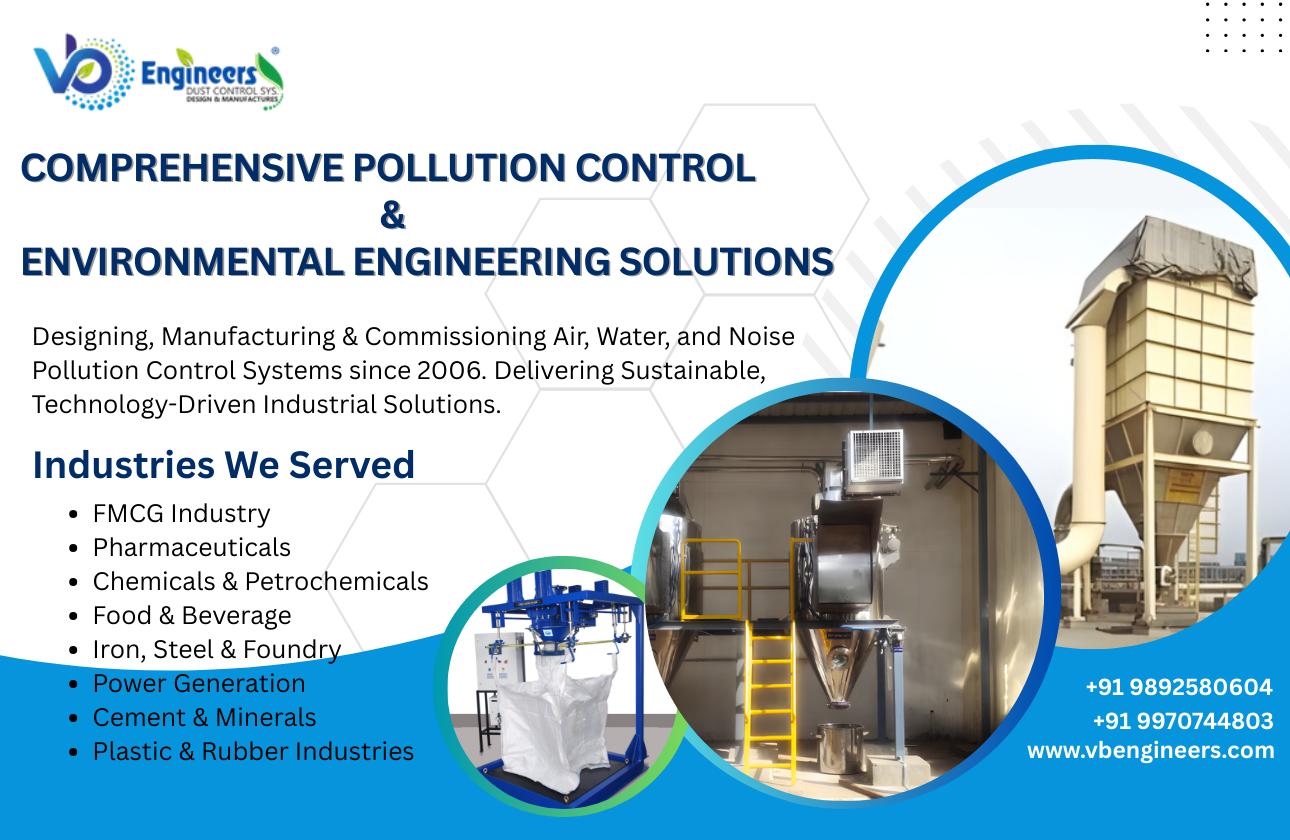
Understanding Bag Filters
Bag filters are an essential component used in air filtration systems across numerous industries. They are designed to capture and filter out dust particles from the air, ensuring cleaner air is released back into the environment. The structure of a bag filter is simple yet effective. It uses a filter medium, usually made from cloth or fabric, to trap airborne particulates. These filters are widely appreciated for their efficiency and cost-effectiveness. By providing vital protection for machinery and improving air quality, they play a crucial role in industries such as food processing, pharmaceuticals, and cement manufacturing.
The Functions of Bag Filters
Bag filters serve a fundamental purpose in maintaining the air quality in industrial settings. One of their primary functions is to remove dust and particulate matter from gas or air. This is crucial not only for environmental compliance but also for worker safety. The effectiveness of a bag filter largely depends on the type of material used and the kind of pollutants it needs to address. The cleaning mechanism, whether it's pulse jet, reverse air, or shaker type, also influences its performance. Ultimately, bag filters help reduce environmental impact while ensuring operations comply with air quality regulations.
The Role of Bag Filters Manufacturers
The development and production of high-quality bag filters are primarily the domain of specialized manufacturers. Bag filters manufacturers are responsible for designing filters that meet specific industrial needs. These manufacturers often innovate to produce filters that not only meet but exceed regulatory standards. In today’s competitive market, they play a pivotal role in setting trends and deploying technologies that enhance filter effectiveness. By working closely with clients, these manufacturers ensure their products align with the operational requirements of various industries.
Choosing the Right Bag Filters Supplier
Selecting a reliable bag filters supplier is as crucial as the filters themselves. A reputable supplier will offer not only high-quality products but also provide expertise and service that can support long-term industrial operations. When choosing a supplier, it's important to consider factors such as product variety, customization options, after-sales service, and industry reputation. Suppliers act as partners and advisors who help companies select the right filter solutions that improve efficacy and longevity.
Bag Filters Manufacturers in India
India has become a significant player in the bag filters manufacturing sector. The industry in India is marked by its robust growth and commitment to quality standards. Indian manufacturers have mastered the art of producing efficient and durable bag filters suitable for various industrial applications. They continuously innovate to keep pace with global trends while offering competitive pricing. The reputation of Indian bag filter manufacturers is supported by their reliability and widespread supply capabilities, making them a popular choice worldwide.
Frequently Asked Questions
1. What industries use bag filters the most?
Answer: Bag filters are commonly used in industries such as food processing, pharmaceuticals, cement manufacturing, and chemical processing where dust control and air purity are crucial.
2. How do bag filters contribute to sustainability?
Answer: Bag filters help in reducing air pollution by trapping particulates and emissions, contributing to a cleaner environment and helping industries comply with environmental regulations.
3. What materials are used in making bag filters?
Answer: Typically, bag filters are made from cloth or fabric materials such as polyester, polypropylene, or various synthetic fibers, chosen for their filtration efficiency and durability.
4. Why is it important to choose the right bag filter supplier?
Answer: The right supplier ensures the quality and performance of bag filters, provides necessary guidance and support, and can offer tailored solutions to meet specific industrial needs.
5. How do Indian manufacturers compete internationally?
Answer: Indian manufacturers compete by offering quality products at competitive prices, ensuring compliance with international standards, and providing excellent customer service and logistical support.
Published on March 21, 2026 by Admin